Mobile health apps (mHealth apps) are becoming an increasingly important part of modern healthcare. Thanks to these innovative digital health solutions, users can easily monitor their health, communicate with healthcare professionals and access important medical information anytime and anywhere.
What are mobile health apps?
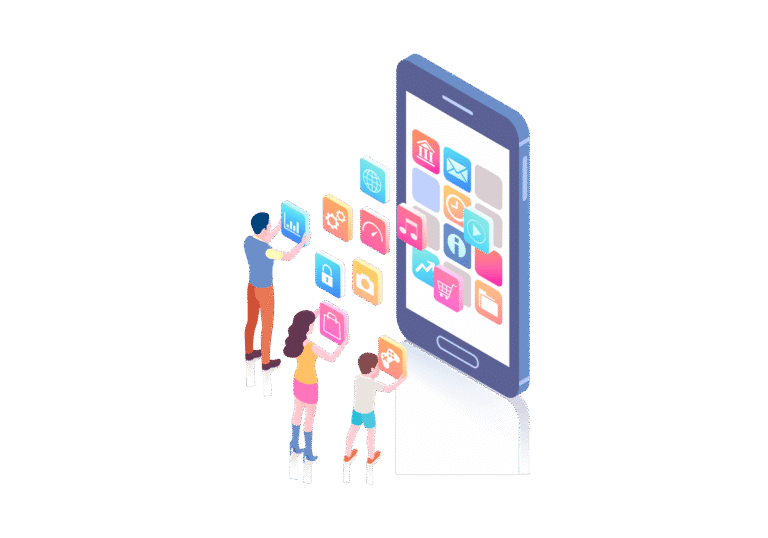
Mobile health apps are software solutions designed for smartphones and tablets that support health management and improve access to healthcare services. They can be used by both patients and healthcare providers, offering a wide range of features – from health monitoring and symptom tracking to virtual consultations and remote patient care.
As healthcare technology continues to evolve, mobile applications are playing a vital role in making healthcare more accessible, efficient and patient-centered.
Key benefits of mobile health apps
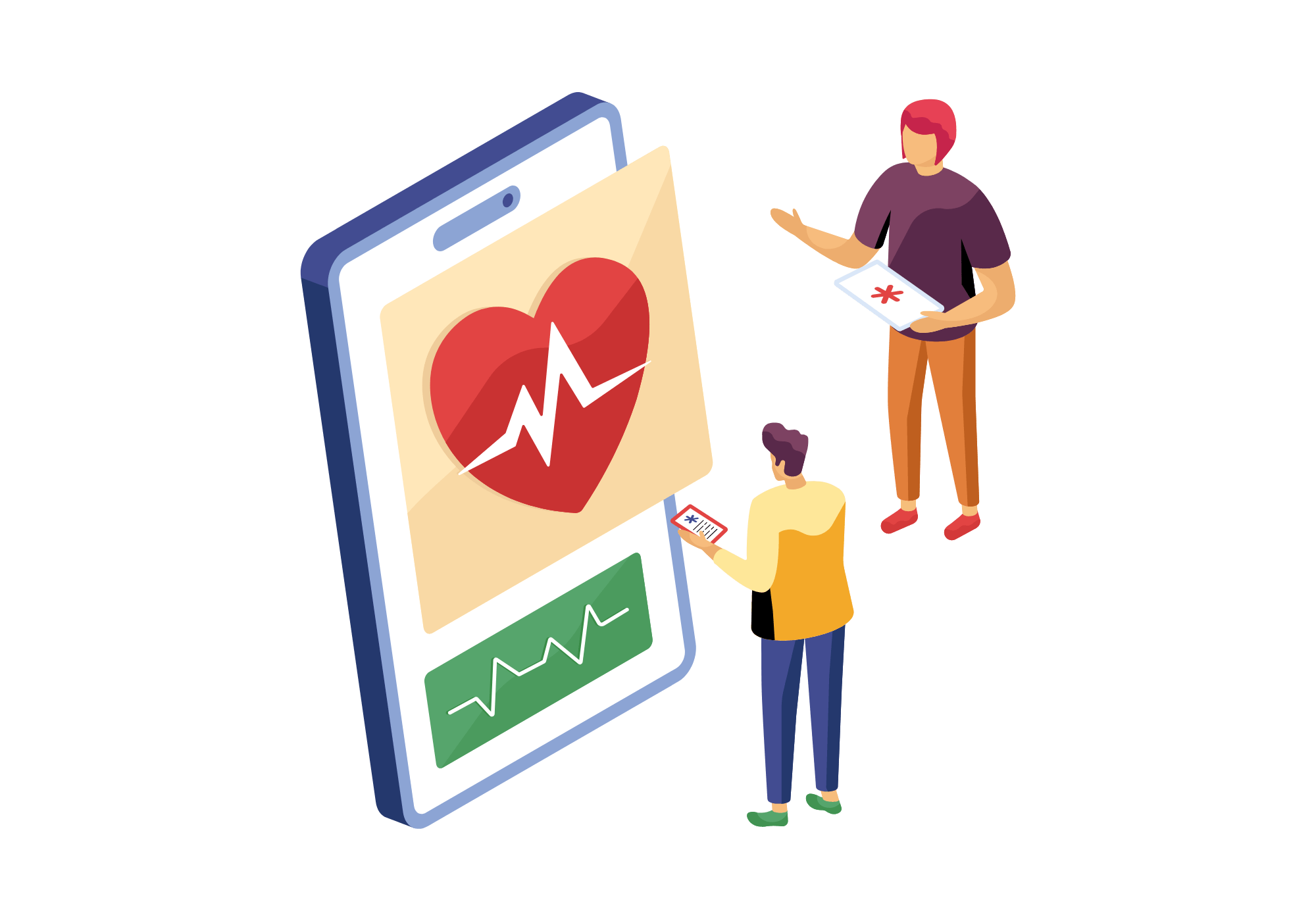
One of the biggest advantages of healthcare mobile applications is convenience. Users can track their physical activity, sleep quality, heart rate and other important health metrics directly from their mobile devices. In addition, many apps provide medication reminders, appointment notifications and preventive healthcare recommendations.
Mobile health apps also help improve patient engagement by providing access to educational resources and personalized insights that encourage healthier lifestyle choices. As a result, individuals can take a more proactive approach to managing their overall well-being.
The role of telemedicine in digital healthcare
Telemedicine is one of the fastest-growing sectors within digital healthcare. Through mobile health applications, patients can connect with doctors remotely, receive medical advice and share test results without visiting a healthcare facility.
This approach is particularly beneficial for people with chronic conditions, elderly patients and individuals living in remote areas with limited access to healthcare services. Telemedicine solutions help reduce waiting times while improving access to quality medical care.
Integration with smart devices and artificial intelligence
Modern mobile health apps are increasingly integrated with smartwatches, fitness trackers and other wearable devices. These technologies collect real-time health data, including physical activity, heart rate and other essential health indicators.
The use of artificial intelligence in healthcare enables advanced data analysis and personalized health recommendations. By identifying patterns and potential risks, AI-powered healthcare applications can support early detection of health issues and encourage preventive care strategies.
What makes a successful healthcare app?
A successful healthcare mobile app must be user-friendly, secure and feature-rich. Protecting sensitive health information is essential, making data security and privacy a top priority for healthcare app development.
In addition, seamless integration with healthcare systems, electronic health records and wearable devices enhances the overall user experience and improves the effectiveness of digital healthcare solutions.
Modern mobile health apps are transforming the way people manage their health. They provide quick access to information, simplify communication with healthcare professionals and encourage users to take greater control of their well-being.
As digital healthcare continues to evolve, mobile health applications will play an increasingly important role in improving patient care, enhancing healthcare accessibility and driving innovation across the healthcare industry.